
As India’s real estate sector evolves, homebuyers are increasingly looking beyond location and specifications, placing greater emphasis on credibility, transparency and long-term value.
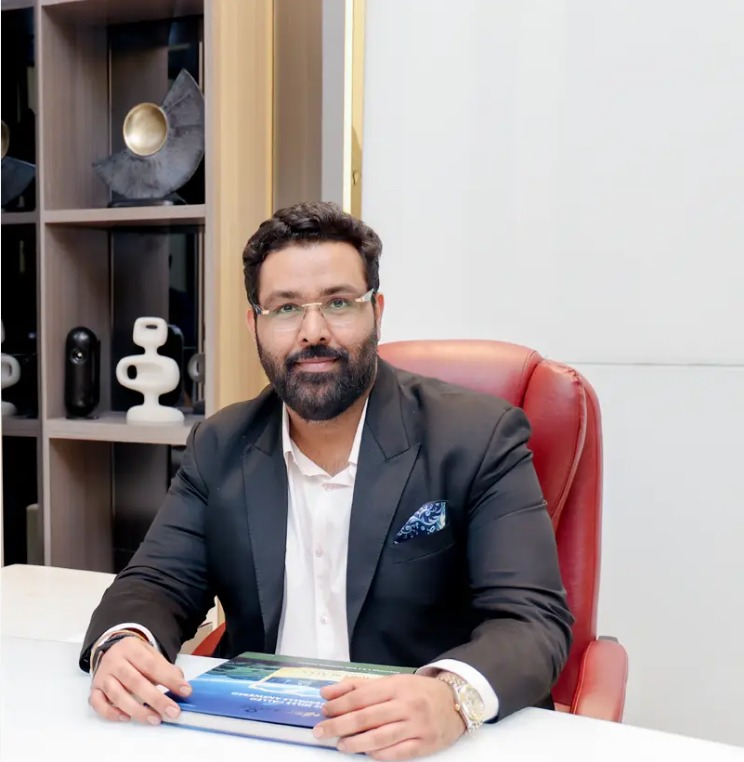
In an exclusive interview, Mr. Karan Gulati, Chairman & Managing Director, Satyam Developers, discusses how the company has built its three-decade journey around trust, evolving consumer expectations and a long-term approach to real estate development.


Real estate has traditionally been associated with land, construction and capital. But for homebuyers, purchasing a home represents something considerably more personal. It is a long-term financial commitment, a lifestyle decision and, often, one of the biggest investments a family makes.
This makes trust an important factor in the relationship between a developer and a homebuyer. For Satyam Developers, which began its journey in 1992, the idea of trust has remained central to its business philosophy. The company’s guiding philosophy, “TRUTH, Inhabited,” reflects its stated emphasis on transparency, stability, fairness and long-term relationships.
Q: After more than three decades in real estate, what do you believe has been the biggest factor behind Satyam Developers’ journey?
Karan Gulati: Real estate is fundamentally a relationship-driven business. Projects may have different designs, locations and formats, but the relationship between a developer and a customer is built around a promise.
Since our inception, we have believed that this promise needs to be supported by transparency and accountability. Our philosophy of “TRUTH, Inhabited” reflects that approach. Markets change, customer expectations change and development formats change, but the importance of trust does not.
Q: How have homebuyers changed over the years?
Today’s homebuyer is far more informed. People are evaluating homes through multiple parameters, including location, connectivity, design, amenities, construction quality, sustainability and the credibility of the developer.
The idea of value has also expanded. Buyers are not simply purchasing a physical apartment; they are looking at the environment in which their families will live. This means developers have to think about the larger lifestyle experience rather than focusing only on the structure.
Q: Navi Mumbai has been central to Satyam Developers’ portfolio. What makes the region significant?
Navi Mumbai has undergone a remarkable transformation. It has developed into a mature urban region with multiple residential micro-markets, each with its own characteristics and potential.
Our presence across locations such as Kharghar, Upper Kharghar, Ulwe, Sanpada, Kalamboli and Taloja reflects this evolution. Each market requires an understanding of its local context, buyer profile and infrastructure environment.
Q: Has this evolution changed the way Satyam approaches project development?
Absolutely. We believe that every project needs to respond to its location and the people it is intended for. At the same time, there are certain principles that remain consistent—quality, thoughtful planning, professional execution and transparency.
A project should ideally remain relevant beyond the immediate market cycle. That requires taking a long-term view while planning everything from design and amenities to sustainability and community spaces.
Q: What lies ahead for Satyam Developers?
We see opportunities across residential development as well as redevelopment and other areas of urban transformation. As established cities mature, the role of developers will increasingly extend beyond creating new buildings.
Our objective is to continue creating spaces that have lasting relevance while remaining anchored to the values that have guided Satyam Developers since its beginning.
For the company, the future of real estate appears to be less about simply adding more buildings to the urban landscape and more about creating spaces that people can trust, live in and carry forward for generations.